
Bali field guide
Best Fruit Markets in Bali by Area: Where to Shop
Canggu, Ubud, Sanur, Denpasar and Bedugul: which market to use for each area, the morning window when the fruit is still good, and how to ask the price.
Published 2026-09-24
Dennis Sylvester Hurd · CC0Reference photo; resized for this guide. It does not show today’s produce or conditions.

The useful part, first
Choose the nearest useful market, sample the batch and compare the price per kilogram.
In this guide
Bali
Find your place
Choose an area or place. Open the map for directions and recent details.
Pasar Semat Sari
A neighbourhood produce stop. Confirm current trading hours before going.
Open in Google MapsIf the map does not load, use the direct link. Check access and hours before travelling.
01
Choose a market near your base
In Canggu, start with Pasar Semat Sari; in Sanur, Pasar Sindhu; in central Ubud, the morning produce rows at Ubud Market. In Denpasar, consider Pasar Badung, while Candikuning fits a highland trip. Use the area selector below to see a map and open directions.
Best here means useful for a particular area and shopping plan. This is an editorial shortlist, not a laboratory freshness ranking or a promise of the lowest island-wide price. The batch, season and seller matter more than the sign.
02
Go early, and know what the morning is for
A traditional market here is wholesale first and retail second. Produce sellers are trading from around 05:00, the best of the day is on the table between 06:00 and 08:30, and by mid-morning what remains has been sitting in heat that does soft fruit no favours. Arriving at 10:00 is not a disaster; it is simply a sadder selection at the same price.
Pasar Badung is the exception worth remembering, running large and long with parts of it open around the clock. The others — Sindhu, Semat Sari, the Ubud produce rows — are effectively finished as fruit markets before lunch, whatever a listing says about closing time.
03
Canggu and Berawa: Pasar Semat Sari
Semat Sari is a traditional market to consider for fruit near Berawa. Look for the produce market, rather than a weekend lifestyle fair. Morning is a practical starting point; check the current place listing before travelling. If you stay in Pererenan, compare a nearby fruit stall first: travel may cost more than you save.
04
Ubud: look for the morning produce rows
Central Ubud Market has both everyday shopping and souvenir-shopping roles. For fruit, come in the morning and ask where the produce sellers are trading that day; tourist stalls may be more prominent later. Pair the stop with breakfast in town rather than planning a separate cross-island journey.
05
Sanur: Pasar Sindhu
Choose the morning market at Sindhu for fruit. The evening market at the same location is better known for cooked food, so an after-sunset fruit trip may miss the produce sellers. Combine shopping with breakfast or a Sanur walk and confirm current hours the day before.
06
Denpasar: Pasar Badung
Pasar Badung is a large everyday market in central Denpasar, with fruit, vegetables and spices. It makes sense if you are already in the city or buying for a group. Do not confuse it with nearby Kumbasari, known for crafts. Indoor and outdoor sellers can keep different hours.
07
Bedugul: Candikuning on a highland route
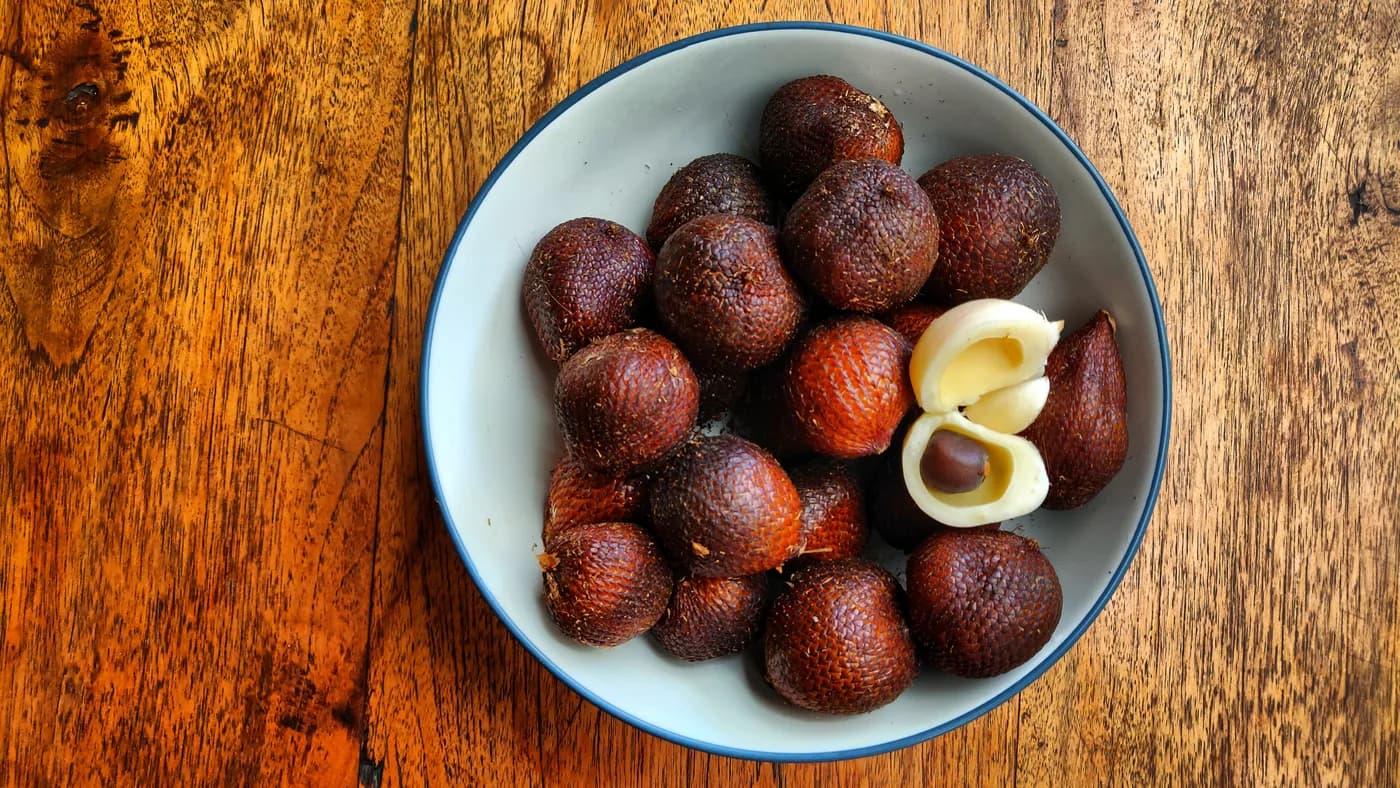
Candikuning works as a short fruit-and-vegetable stop during a Bedugul or Munduk trip. Look for strawberries and salak, with the actual selection depending on the day. A special journey from the south only for cheap fruit rarely makes sense without counting transport and your time.
08
Seminyak, Uluwatu and Nusa Dua: keep it simple
For breakfast for two, a nearby fruit stall or supermarket with clear prices can be enough. From Seminyak, compare the trip to Berawa with shopping locally; from the Bukit, do not drive to Denpasar just for two mangoes. Ask your host for the nearest produce market, rather than a popular souvenir market.
09
Compare the price and the batch
Ask “Berapa per kilo?” — how much per kilogram? Confirm the price is not per piece or per basket. Compare the same variety at two or three stalls, watch the weighing and agree the total before anything is packed. “Boleh coba?” means may I try: a sample of salak or passion fruit tells you more than any promise of sweetness.
Bargaining on produce is normal, quiet and quick. “Bisa kurang?” — can it be less? — said with a smile is the whole technique, and the realistic landing point is ten to twenty per cent below the opening number, not half of it. Fruit is not a souvenir sarong; the margins are thin and the seller knows the going rate better than you do. If the first number was already close to the market rate, paying it is the right answer.
Start with small amounts of unfamiliar fruit, keep it out of a hot car and refrigerate anything cut. Make the big shop the last stop on your route. Our companion guide covers the ripeness checks fruit by fruit, along with what a kilo should cost.
Before you go
Your checklist
Tick off what you have checked. Progress stays in this browser.
0/5 checked