
Bali field guide
Bali Safety: Phone Snatching and ATM Skimming
Practical steps to reduce roadside phone and bag theft, choose a safer ATM, recognise tampering and act quickly if a device or card is taken.
Published 2026-10-01
The useful part, first
Make the phone hard to grab, choose an ATM inside a staffed bank, and prepare the locks and official phone numbers you will need after a loss.
In this guide
01
The two risks happen in ordinary moments
Bag and phone snatching is reported in Bali's busy tourist areas, often when a phone is easy to grab beside the road or from a moving scooter. ATM skimming is quieter: an added card reader copies card data while a hidden camera or false keypad captures the PIN. Neither risk means avoiding Bali; it means changing a few repeatable habits.
Keep only the essentials with you and leave a passport copy and backup card separately. Turn on device tracking, use a screen lock, enable banking alerts and save the bank's official international number before something happens.
02
On a scooter, remove the easy opportunity
Set the route before moving and stop somewhere protected if you need the map. Do not hold a phone in the traffic-side hand. Put it under the seat or in a closed inner pocket; a loose phone mount can advertise both the device and your distraction. Keep bags inside the line of your body and the vehicle, not hanging toward passing traffic.
If someone grabs the phone or bag, do not start a high-speed chase. Move out of traffic, note the location, direction, vehicle and plate fragments, then lock the device and payment accounts. Call police on 110 and obtain a report if your insurer requires one.
03
Choose an ATM by its surroundings
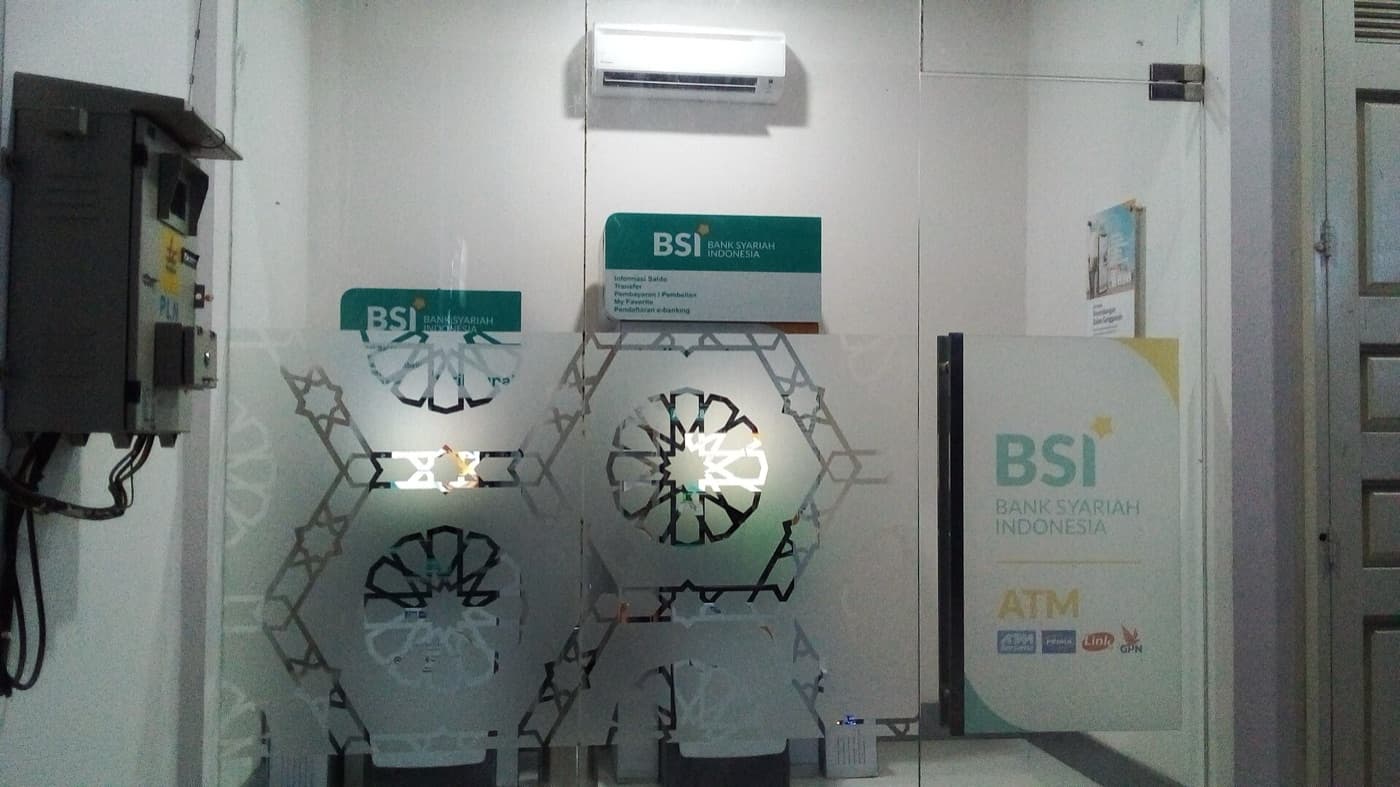
Prefer an ATM inside a staffed bank branch or a controlled vestibule during opening hours. Avoid an isolated roadside machine when a bank ATM is available nearby. Inspect the card slot and keypad: pull gently, look for loose, crooked or mismatched parts, tape residue and a tiny camera aimed at the keypad. Cover the PIN with your other hand even when nobody is close.
Use contactless withdrawal or a card lock in your banking app if your bank supports it. Set a low withdrawal limit and keep transaction notifications on. These controls do not prevent every fraud attempt, but they reduce what can be taken before you react.

04
If the ATM keeps the card
Stay at the machine. Freeze the card in the app and call the number from the bank's official website or app, not a sticker added to the ATM. Fake call-centre numbers are a known trick: the caller is asked for a PIN or one-time code while an accomplice retrieves the card.
A legitimate bank employee does not need your PIN, CVV or one-time password. If anyone approaches to help, decline, keep the keypad and slot in sight and wait for instructions from the official bank line. If recovery is uncertain, block and replace the card.
05
The first ten minutes after a loss
Lock the phone remotely, mark it lost, revoke wallet cards and change the email password first because email can reset other accounts. Then freeze bank cards and contact the mobile operator to suspend the SIM. Preserve screenshots of unauthorised transactions and the device serial number or IMEI.
For cash, use the same rule as for cards: choose a controlled place and count before leaving. Our money guide covers ATM fees and licensed exchange options; the scam guide covers exchange counters and fake villa listings.
Before you go
Your checklist
Tick off what you have checked. Progress stays in this browser.
0/4 checked